Sunday, December 07, 2008 - Twiltley Branch Campground, Collinsville MS
< previous day | archives | next day >
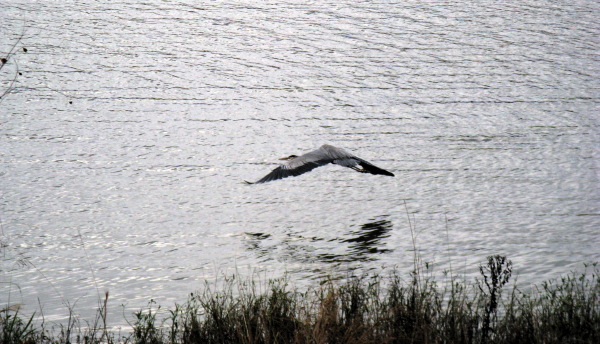
Taking Flight, Foscue Creek Park, Demopolis AL, Dec 01, 2008
Night camp
Site 39 - Twiltley Branch Campground, Collinsville MS
- This is a quiet, well maintained COE campground with level gravel sites, reservoir views, electric & water
- There is good biking on the park roads
- Most sites are wooded so solar gain is limited for those with solar panels
- Good Verizon cell phone service - Access is via Extended Network, roaming
- No Verizon EVDO service - access is via the Extended Network and service varies from slow to barely useable
- Find other references to Twiltley Branch
- List the nights I've camped here
- Check the weather
- Reserve a site
- Get a map
Digging Your Toes
But living isn't really about location, it's about digging your toes into whatever soil you find under your feet and stepping forth with as much as a spring in your step as you can muster.