Friday, November 21, 2008 - Foscue Creek Park, Demopolis AL
< previous day | archives | next day >
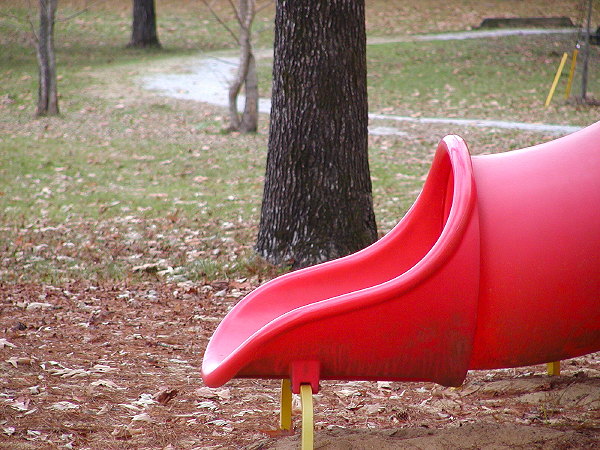
Slide - Foscue Creek Park, Dec 22, 2007
It's nice to be off the road for a while
Getting in the groove of rolling down the road this past week has taken me away from normal domestic routines. Laundry to do. Cleaning away the road grime. And settling the psychic mud that gets stirred up on the road. It's time to chill for a few days.
Night camp
Site 45 - Foscue Creek Campground, Demopolis AL
- This is a well maintained US Army Corps of Engineers campground with level paved sites, most with full hookups
- Many sites overlook the water of the inlets off Demopolis Lake on the Tombigbee River
- There is good biking on the park roads
- The campground is pretty full Thanksgiving week and is generally booked solid the weekend of the Demopolis Christmas on the River festival in early December.
- Poor Verizon cell phone service - access is via Extended Network, roaming
- No Verizon EVDO service - access is via the Extended Network and service varies is slow but reliable
- Only 3 miles to Wal-Mart and other services in Demopolis AL
- Find other references to Foscue Creek
- List the nights I've camped here
- Check the weather
- Reserve a site
- Get a map
This is Easy
Naturally, the common people don't want war, but after all, it is the leaders of a country who determine the policy, and it is always a simple matter to drag people along whether it is a democracy, or a fascist dictatorship, or a parliament, or a communist dictatorship. Voice or no voice, the people can always be brought to the bidding of the leaders. This is easy. All you have to do is to tell them they are being attacked, and denounce the pacifists for lack of patriotism and exposing the country to danger. It works the same in every country.
Nuremberg Diary, Herman Goring, interviewed at Nuremberg by Gustave Gilbert